Blog

  • A Buyer’s Checklist for Sourcing Contract Furniture from China

    contract furniture sourcing checklist

    Buying contract furniture from China can be efficient, but it works best when the buyer approaches the process with a clear checklist. Price is only one part of the decision. A good order also depends on drawings, materials, production capacity, packaging, communication, and quality control. Without a structured process, small misunderstandings can become expensive once the goods are already in production.

    Start with the project scope. List each furniture type, quantity, room or area, target dimensions, material preference, finish, fabric, and delivery deadline. If the project includes hotel rooms, apartments, restaurants, or public areas, separate the items by use. A dining chair for a restaurant and a lounge chair for a guest room may look similar in a spreadsheet, but the durability and cleaning requirements are different.

    Drawings and references should be specific. Buyers often send inspiration images and expect the supplier to guess the construction details. A better method is to provide reference photos, key dimensions, finish direction, and performance expectations. If the design is custom, confirm whether the factory will create shop drawings or whether the buyer must provide final technical drawings. Clear documents reduce sample revisions.

    Supplier evaluation should include more than a quotation. Ask what categories the factory actually produces, whether key processes are in-house, and how similar projects were handled before. A reliable furniture supplier from China should be able to discuss materials, minimum order quantities, packing methods, lead time, and quality checks without avoiding details. If the answers are vague at the inquiry stage, communication may become harder after deposit.

    Samples are important, especially for custom finishes and upholstery. For large projects, a sample chair, cabinet door, table top, or fabric panel can prevent bigger mistakes. Review the sample under normal lighting and compare it with the approved specification. Record changes in writing. Never rely only on chat messages; create an approval document with photos and notes so both sides know what mass production should match.

    Payment and production milestones should be linked to real progress. Common stages include deposit, sample approval, material preparation, production update, inspection, balance payment, and shipment. Buyers should request photos or videos at key points, but independent inspection is still valuable for larger orders. Inspection should check quantity, dimensions, workmanship, finish, stability, labeling, and packaging.

    Packaging deserves serious attention because furniture travels through factories, warehouses, containers, ports, and local delivery teams. Ask for corner protection, moisture control, carton strength, pallet requirements, and assembly instructions where needed. If goods are going to multiple project sites, labeling must be clear enough for installers to identify rooms or areas quickly.

    Finally, plan time realistically. Custom furniture production involves material purchasing, sample adjustments, finishing, drying, packing, booking, shipping, customs, and inland delivery. A low price cannot compensate for a schedule that misses opening day. Buyers who prepare specifications early, approve samples quickly, and keep communication organized usually have smoother results than those who rush every stage. The checklist is simple, but using it consistently is what turns sourcing into a manageable process.

    Communication records are another part of responsible sourcing. Keep drawings, quotations, finish approvals, packing requirements, and change requests in organized folders rather than scattered across chat threads. If a problem appears during inspection, the buyer can quickly compare the goods with the approved documents. This habit protects both sides because decisions are based on records instead of memory.

    Import buyers should also consider after-sales support before placing the order. Ask whether spare parts, extra fabric, replacement hardware, or repair guidance can be supplied later. For hotels, restaurants, and rental properties, a few missing glides or damaged panels can delay opening or create maintenance issues. A slightly more complete procurement package often saves more money than choosing the lowest initial quotation.
  • A Buyer’s Checklist for Sourcing Furniture from China Without Surprises

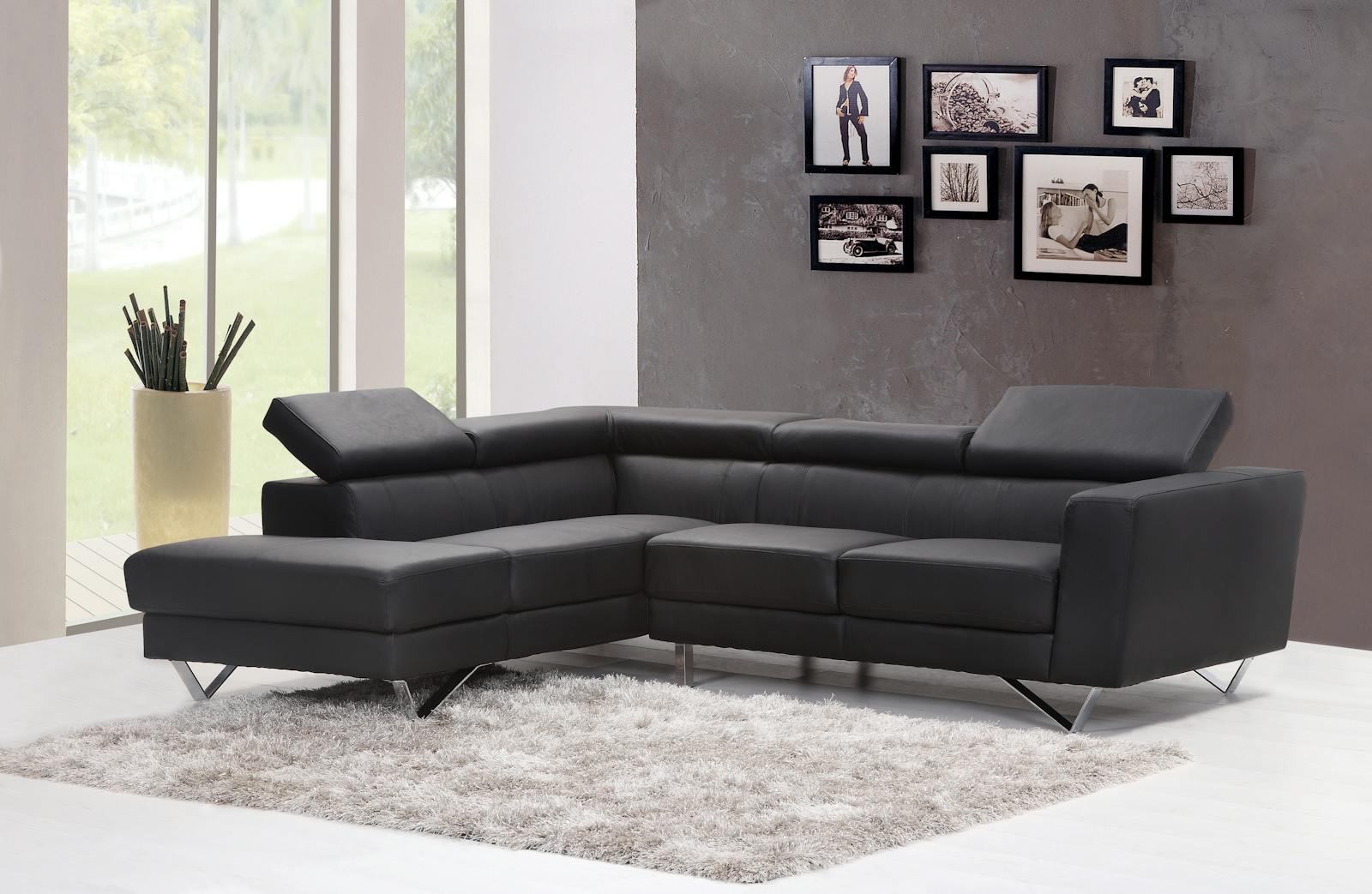
    furniture sourcing checklist with chairs and tables

    Buying furniture from overseas can be profitable, but only when the process is managed with clear expectations. Many problems blamed on factories actually begin with incomplete specifications, rushed sampling or vague inspection standards. A strong purchasing checklist helps buyers compare suppliers fairly and avoid surprises after the deposit is paid.

    The first step is to define the use case. A dining chair for a private apartment, a hotel breakfast area and a busy restaurant may look similar online, but they need different frame strength, fabric performance and cleaning tolerance. Write down where the product will be used, how often it will be moved and who will maintain it. This practical context helps the supplier recommend the right construction.

    Second, confirm materials in measurable terms. Instead of asking for “solid wood style,” specify the wood species, veneer thickness or board grade. For upholstery, record fabric composition, abrasion rating, color code and foam density. For metal, ask about tube thickness and finish method. Clear material language reduces the gap between sample expectations and production reality.

    Third, request drawings or specification sheets before sampling. Photos are useful, but they rarely show inner structure, leg angles or packaging dimensions. A simple technical drawing gives both sides a reference for size and proportion. It also makes freight planning easier because carton measurements influence container loading and landed cost.

    Many buyers prefer to compare at least two suppliers, but the comparison should not focus only on unit price. A reliable furniture supplier from China should be able to discuss lead time, customization limits, packing, inspection and after-sales support. If one quote is much cheaper, ask which material, finish or process is different. The answer may be reasonable, or it may reveal a risk.

    Sampling is the next checkpoint. Approve the sample only after checking dimensions, comfort, finish, fabric, hardware and packaging. Take photos from several angles and mark any changes directly on the images. If a change is important, put it in writing and ask the factory to confirm. Verbal comments are too easy to lose once production begins.

    Before bulk production, create an inspection standard. Define acceptable color variation, tolerance ranges, carton labeling, hardware packs and assembly instructions. For commercial projects, include load-bearing or stability expectations where relevant. The goal is not to create paperwork for its own sake. The goal is to give inspectors a fair and practical basis for decisions.

    Payment terms also deserve attention. A common structure is deposit before production and balance after inspection, but terms vary by supplier and order size. Buyers should understand what happens if production is delayed, if materials become unavailable or if inspection finds defects. These questions are easier to discuss before money changes hands.

    Finally, plan logistics early. Furniture is bulky, and a small change in carton size can affect container utilization. Ask whether items ship assembled, knocked down or partially assembled. Include spare parts and touch-up kits when appropriate. Good sourcing is not only about finding a factory; it is about aligning design, production, quality control and shipping into one predictable chain.

    Communication rhythm is another part of the checklist. Set dates for sample review, material purchase, production photos, pre-shipment inspection and loading. A supplier that shares progress at agreed points is easier to manage than one that disappears until the order is finished. Short updates with photos can catch misunderstandings early, when corrections are still possible.

    Buyers should also prepare a defect classification before inspection. Critical defects may affect safety, major defects may affect use or appearance, and minor defects may be acceptable within a defined limit. This structure avoids emotional arguments at the warehouse. It also helps the factory train workers on the issues that matter most to the buyer.

    After the first order arrives, keep a record of claims, assembly comments and customer feedback. That information is valuable for the next purchase cycle. Sourcing improves when each order teaches the buyer something about materials, packaging, supplier communication and market expectations. Over time, the checklist becomes a practical operating system rather than a one-time form.

    Finally, review compliance requirements for the destination market. Fire labels, formaldehyde limits, packaging marks and product safety rules vary by country and by project type. A supplier may be experienced, but the buyer is still responsible for confirming what the market requires. Adding compliance checks to the sourcing file prevents last-minute delays at customs or during project handover.

    Good buyers also calculate total landed cost, not just factory price. Freight, duties, local delivery, assembly, storage and possible rework can change the real margin. A slightly higher unit price from a more organized supplier may become cheaper once these costs are included.

    This wider cost view makes supplier comparison more realistic and less risky.

    That discipline gives every repeat order a cleaner starting point and fewer avoidable disputes.

  • How Buyers Can Compare a Wholesale Furniture Supplier Before Placing a Container Order

    office furniture showroom with desks chairs and storage pieces

    Choosing a supplier for a container order is different from buying a few showroom pieces. The buyer must think about repeatability, packing, communication and after-sales support. A low unit price can disappear quickly if the products arrive with inconsistent finishes, unclear labels or missing hardware.

    Begin by comparing the supplier’s product range with your actual selling plan. A broad catalog is useful, but it should not hide weak specialization. If your order focuses on dining chairs, coffee tables or upholstered beds, ask for recent examples in those categories. Photos of production lines, packed goods and finished installations are more useful than generic catalog pages.

    Quotation details should be specific. Confirm dimensions, material grades, fabric codes, foam density, finish color, hardware brand where relevant, carton size and loading quantity. Buyers often compare only the unit price, but the smarter comparison includes cubic meter efficiency, expected defect allowance and the cost of spare parts. A slightly higher price may be better if the supplier reduces claims and saves warehouse time.

    Sampling is the bridge between a catalog and a real order. Check comfort, stability, color, smell, packaging and assembly instructions. If the item requires tools, the instructions should be clear enough for a new staff member to follow. If the furniture will be sold online, photograph the sample from customer-facing angles and confirm that the delivered item matches those images.

    A dependable wholesale furniture supplier should communicate production milestones before the buyer has to chase them. Deposit received, material prepared, frame completed, finishing started, packing and loading are all simple updates, but they reduce uncertainty. The best suppliers also warn buyers early when a fabric, veneer or hardware component may delay the schedule.

    Compliance and documentation should not be left until the container is ready. Depending on the market, you may need fire-retardant certificates, wood declarations, commercial invoices, packing lists or test reports. Even when formal certification is not required, consistent item codes and carton marks make customs clearance and warehouse receiving easier.

    Before placing the full order, imagine the worst customer complaint and ask how the supplier would solve it. Can they provide replacement legs, extra fabric, touch-up kits or revised assembly parts? Do they keep records of batch colors? Sourcing is not just finding furniture; it is building a process that protects margin after the goods leave the factory.

    Factory audits do not need to be complicated, but they should be purposeful. Ask how incoming materials are checked, where semi-finished goods are stored and how finished cartons are protected before loading. A clean sample room is encouraging, yet the production floor tells more about how the supplier handles repeated orders under pressure.

    Payment terms and inspection timing should be aligned with risk. Many buyers inspect only after goods are packed, when corrections are slow and expensive. Mid-production checks allow problems to be found while frames, foam, finish or fabric can still be adjusted. Even remote photo inspections are better when they follow a written checklist.

    Loading plans deserve attention because furniture is bulky and easily damaged by poor stacking. Confirm carton dimensions, gross weight and container quantity before the final invoice. If mixed items are loaded together, heavy cartons should not crush delicate tops or upholstered goods. Good logistics planning is part of product quality.

    After the first order, review actual selling results and claims. Which items assembled fastest? Which cartons arrived damaged? Which finishes received compliments or complaints? Sharing this feedback with the supplier turns one purchase into a stronger sourcing relationship and improves the next container.

    Before signing off, buyers should also define who owns each decision. Designers may approve appearance, purchasing teams may approve price, and operations teams may approve cleaning and service needs. When those roles are unclear, late changes become expensive. A short approval matrix keeps the project moving and gives the supplier one clear version of the truth.

    Lead time should be planned with realistic buffers. Material purchasing, sample revision, production, inspection, export documents and sea freight all take time. Rushing the factory at the end usually creates more risk than saving a few days at the beginning. A practical schedule includes review points where small issues can be corrected before they affect the whole order.

    It is also useful to keep a record of what was rejected. Failed fabric options, finish samples that were too glossy, or hardware that felt weak should be photographed and named. This prevents the same choices from returning later in the project. Good sourcing is not only a search for the right product; it is a process of narrowing the options until the final specification is clear.

    After delivery, the first installation should be treated as feedback for the next order. Note which cartons were easiest to identify, which pieces needed adjustment, and whether the furniture performed as expected once placed in the real interior. Those lessons help future purchasing decisions become faster, more accurate and less dependent on guesswork.

  • A Practical Checklist for Sourcing Furniture from China Without Losing Control

    Furniture warehouse interior with sofas and chairs for buyer inspection

    Sourcing furniture from China can be efficient, flexible, and cost-effective, but only when the buyer controls the process with clear information. Problems usually begin when a project is discussed through vague photos, loose dimensions, or changing finish references. A practical checklist helps buyers move from attractive quotation to reliable delivery without depending on luck.

    Begin with the project scope. Separate furniture into categories such as guest-room casegoods, upholstered seating, dining furniture, outdoor pieces, and loose accessories. For each category, record quantity, target size, preferred material, required finish, and delivery deadline. If the order is for a hotel, restaurant, or apartment project, identify which pieces are fixed, which are loose, and which need site coordination. Suppliers can quote more accurately when they understand the full package instead of one isolated item.

    The second step is specification. A drawing should include overall dimensions, material thickness, hardware type, upholstery fabric, foam density, edge details, and packaging expectations. Photos are useful for style direction, but they are not a specification. If a buyer says “same as picture,” the factory must guess many hidden details. That guessing may lead to a sample that looks similar but performs differently. Clear specifications reduce disputes because both sides can measure the result.

    Supplier evaluation should go beyond price. Ask about production categories, monthly capacity, export experience, and quality-control process. A trading company may be helpful for mixed small orders, while a manufacturer may offer better control for customized volumes. If you need coordinated design development, samples, and shipping support, it is worth speaking with a furniture supplier from China that can explain its workflow clearly before you place a deposit.

    Samples are the buyer’s best insurance. Approve a sample for structure, comfort, finish, fabric, and packaging before mass production. Do not review only the front view. Check the underside, back panel, drawer slides, stitching, seams, glides, and hardware. Sit on chairs for more than a minute. Open and close drawers repeatedly. Place a glass of water on the tabletop and wipe it clean. The sample should represent what the factory will produce, not a special piece made only for approval.

    Payment terms and production milestones should be written into the purchase order. Common stages include deposit, sample approval, production start, pre-shipment inspection, balance payment, and loading. The buyer should know when materials will be purchased, when frames will be completed, when finishing begins, and when packaging is scheduled. Regular progress photos are helpful, but they should be tied to a timeline. If a delay appears early, the project team has time to adjust shipping or site installation plans.

    Quality inspection works best when it is specific. Instead of saying “check quality,” create a checklist for dimensions, color, finish defects, stability, upholstery alignment, hardware operation, labeling, and carton condition. Define acceptable tolerances before inspection. For example, a small color variation may be acceptable in natural wood, while a visible scratch on a tabletop is not. Inspection should include random cartons, not only the first pieces shown by the factory.

    Packaging and logistics deserve early attention. Furniture is bulky, easily scratched, and sometimes sensitive to humidity. Confirm carton strength, corner protection, moisture barriers, pallet requirements, and loading method. If the destination has narrow elevators or strict delivery windows, share that information with the supplier. Knock-down construction may save freight, but it must be easy to assemble on site. Fully assembled furniture may arrive faster to install, but it can increase shipping volume.

    Finally, maintain one controlled communication channel for revisions. When finish codes, dimensions, or quantities change through scattered emails and chat messages, mistakes become likely. Keep an updated specification sheet and ask the supplier to confirm each revision. Good sourcing is not simply finding the lowest quote. It is the discipline of turning a design idea into a documented, inspected, and deliverable product.

  • A Buyer’s Guide to Sourcing Furniture from China for Multi-Site Projects

    A Buyer’s Guide to Sourcing Furniture from China for Multi-Site Projects

    procurement team reviewing furniture samples and project schedules for sourcing from China

    For buyers managing restaurants, hotels, apartments, or offices, sourcing furniture from China for multi-site projects is not only a matter of taste. It affects comfort, maintenance, delivery planning, and the way a space performs after the first month of use. A good furniture decision begins with real behavior: how people sit, move, clean, store belongings, and judge quality when they touch a surface. That practical view keeps the discussion grounded and prevents a project from becoming only a collection of attractive product images.

    The first step is to define the job each piece must do. A lounge chair may need to support long conversations, while a dining chair may need to move quickly during service. A cabinet may be judged by door alignment and cable access more than by its front view. Write these expectations down before comparing quotations. Clear use cases make it easier to reject options that look similar but are built for a different environment.

    Materials should be compared by performance rather than by name alone. Solid wood, veneer, laminate, metal, stone, glass, and upholstered panels all have strengths, but each one reacts differently to humidity, cleaning chemicals, sunlight, impact, and daily handling. Ask for samples when possible and look at edges, undersides, seams, and hardware points. Many problems start where two materials meet, not in the center of a beautiful tabletop or panel.

    Supplier communication is another quality signal. A capable partner will ask about layout, traffic level, cleaning routine, installation access, and replacement needs. They will also explain tradeoffs instead of pushing one generic answer. When buyers need deeper customization or coordinated production, working with wholesale furniture supplier can be useful because drawings, materials, samples, and production notes can be reviewed as one connected package rather than as separate guesses.

    Sampling should be treated as a small rehearsal for the full order. Sit on the chair, open the drawer, move the table, wipe the surface, and view the finish under different lighting. Record measurements and photograph details that must not change in production. If a revision is approved, describe it in writing. A sample is only valuable when it becomes a reference that both buyer and maker can follow without relying on memory.

    Budget decisions should include hidden costs. The lowest unit price can become expensive if cartons are weak, hardware is difficult to replace, pieces arrive without labels, or the finish requires special care. Freight damage, site delays, and early repairs are part of the real cost of furniture. For multi-room or multi-site projects, stronger packaging and better documentation often save more money than a small reduction in the factory price.

    Design consistency also needs planning. When several furniture types share a room, their proportions, edge details, leg finishes, and upholstery tones should feel related without becoming flat. This is especially important in hospitality, restaurant, and living room settings where guests notice the overall mood before they notice individual specifications. A balanced scheme uses repetition for calm and a few distinctive details for memory.

    The best buying process ends with a simple archive: approved drawings, finish codes, fabric references, care instructions, spare hardware information, and final photos. That archive helps with reorders, replacements, and future renovations. Furniture that is chosen carefully and documented clearly has a longer useful life because everyone involved understands what was bought, why it was selected, and how it should be maintained.

    Inspection should be scheduled before the balance payment and before goods are loaded. For larger orders, review a random selection of finished pieces, cartons, labels, hardware packs, and spare parts. Confirm that the approved sample has not drifted in color, thickness, or construction. If an issue appears, decide whether it requires rework, replacement, a discount, or a written note for the next production batch.

    It is also wise to plan communication after delivery. Share photos of installed furniture, report any freight damage quickly, and keep a list of parts that may be needed later. A supplier who understands how the furniture performed on site can improve the next order. This feedback loop is one of the main advantages of treating sourcing as a long-term system rather than a one-time transaction.

  • A Practical Checklist for Sourcing Furniture from China in 2026

    A Practical Checklist for Sourcing Furniture from China in 2026

    buyer reviewing furniture samples catalog and production checklist for China sourcing

    Sourcing furniture from China can be efficient, flexible, and cost-effective, but it rewards buyers who prepare carefully. Strong projects do not begin with a price request. They begin with a clear brief, realistic quantities, and a method for checking quality before the container leaves the factory. A structured checklist can prevent most common mistakes in hotel, restaurant, apartment, retail, and online furniture orders.

    Start with the product brief. Include dimensions, reference images, target materials, expected finish, quantity range, packaging requirements, destination country, and compliance standards. If the item will be used in hospitality or public areas, say so clearly. Residential-looking furniture may need stronger frames, higher-density foam, different fabrics, or fire-retardant treatment when used commercially.

    Separate must-have requirements from preferences. A chair height may be fixed because it must match existing tables, while the leg shape may be flexible. A veneer color may need to match a brand standard, while underside construction may allow alternatives. This distinction helps suppliers suggest practical adjustments without changing the design intent.

    Supplier evaluation should go beyond the first quotation. Ask how long the factory has made similar products, what materials are commonly stocked, whether custom work is handled in-house, and how quality control is managed. A dependable furniture supplier from China should be comfortable discussing both design possibilities and production limitations.

    Samples are the next checkpoint. A sample is not only a product preview; it is a communication tool. Check dimensions, comfort, finish color, stitching, hardware, and proportion. Sit on chairs and sofas for more than a few seconds. Open drawers repeatedly. Place table samples under strong light to inspect finish consistency.

    Material confirmation is essential before mass production. Wood species, veneer thickness, metal gauge, foam density, fabric composition, and stone or sintered slab specifications should be documented. If a supplier proposes a substitute material, ask why and request a comparison. Sometimes a substitute improves durability or lead time. Sometimes it only reduces cost.

    Packaging deserves more attention than many buyers give it. Furniture damage during shipping can erase savings from a good purchase price. Ask for carton dimensions, foam protection, corner guards, moisture protection, and pallet plans. For mixed orders, confirm whether cartons will be labeled by room, floor, item code, or purchase order.

    The inspection plan should be agreed before production begins. Define what will be checked during raw material arrival, frame assembly, upholstery, finishing, final assembly, and packing. For large orders, a pre-shipment inspection should compare actual goods against approved samples and signed specifications, including dimensions, color, wobble, defects, stitching, hardware, carton markings, and quantity.

    Payment and schedule also need realistic planning. Confirm sample lead time, production lead time, peak season risks, holiday closures, and shipping estimates. Build a buffer instead of assuming every step will be perfect. Keep communication organized with item codes, revision numbers, and dated approvals so the project moves from sample to installation with fewer surprises.

    Buyers should also confirm the commercial terms behind the quotation. Unit price is only one part of landed cost. Tooling, sample charges, packaging upgrades, inland freight, export documents, inspection fees, and sea freight can change the real budget. Ask whether the price is EXW, FOB, CIF, or another Incoterm, and make sure the comparison between suppliers uses the same basis.

    Compliance should be discussed early, not after production. Different markets may require fire resistance, formaldehyde limits, stability tests, labeling, or documentation for wood materials. If a product is going into a hotel, school, restaurant, or public building, the local rules may be stricter than ordinary residential expectations. Good suppliers can help prepare documents, but the buyer should state the destination requirements clearly.

    Finally, think about after-sales support before placing the order. Keep a record of fabric codes, finish samples, hardware specifications, and carton labels. For projects with repeated room types, ordering spare parts or extra fabric can be cheaper than trying to match materials later. A sourcing checklist is not paperwork for its own sake; it is a practical tool for protecting schedule, budget, and brand reputation.

    Communication rhythm matters as much as the first brief. For active projects, set a regular update schedule instead of asking for news only when a deadline is close. Weekly progress photos can show frame assembly, upholstery, finishing, and packing before problems become expensive. If a change is approved by chat, copy it into the specification sheet immediately. The safest sourcing projects have one current version of the truth, not five separate message threads. This habit is simple, but it protects both sides when several products, finishes, or delivery batches are moving at the same time.

    A brief post-delivery review is useful as well. Record which cartons arrived damaged, which labels helped installers, and which specification notes prevented confusion. Those lessons make the next sourcing cycle faster and more accurate.

    Save the final checklist for reorders and seasonal product updates.

  • A Practical Checklist for Sourcing Furniture from China in 2026

    A Practical Checklist for Sourcing Furniture from China in 2026

    buyer reviewing furniture samples catalog and production checklist for China sourcing

    Sourcing furniture from China can be efficient, flexible, and cost-effective, but it rewards buyers who prepare carefully. The strongest projects do not begin with a price request; they begin with a clear brief, realistic quantities, and a method for checking quality before the container leaves the factory. Whether you are buying for a hotel, restaurant, apartment project, retail store, or online furniture brand, a structured checklist can prevent most common mistakes.

    Start with the product brief. A useful brief includes dimensions, reference images, target materials, expected finish, quantity range, packaging requirements, destination country, and any compliance standards. If the item will be used in hospitality or public areas, say so clearly. Residential-looking furniture may need stronger frames, higher-density foam, different fabrics, or fire-retardant treatment when used commercially.

    Next, separate must-have requirements from preferences. For example, a chair height may be fixed because it must match existing tables, while the leg shape may be flexible. A veneer color may need to match a brand standard, while the underside construction may allow alternatives. This distinction helps suppliers suggest practical adjustments without changing the design intent.

    Supplier evaluation should go beyond the first quotation. Ask how long the factory has made similar products, what materials are commonly stocked, whether they handle custom work in-house, and how they manage quality control. Request photos of production lines, sample rooms, packaging areas, and past project references. A dependable furniture supplier from China should be comfortable discussing both design possibilities and production limitations.

    Samples are the next major checkpoint. For custom furniture, a sample is not only a product preview; it is a communication tool. Check dimensions, comfort, finish color, stitching, hardware, and overall proportion. Sit on chairs and sofas for more than a few seconds. Open drawers repeatedly. Place table samples under strong light to inspect finish consistency. Write comments with photos and mark each required change.

    Material confirmation is essential before mass production. Wood species, veneer thickness, metal gauge, foam density, fabric composition, and stone or sintered slab specifications should be documented. If a supplier proposes a substitute material, ask why and request a comparison. Sometimes a substitute improves durability or lead time. Other times it simply reduces cost.

    Packaging deserves more attention than many buyers give it. Furniture damage during shipping can erase any savings from a good purchase price. Ask for carton dimensions, foam protection details, corner guards, moisture protection, and pallet plans if needed. For mixed orders, confirm whether cartons will be labeled by room, floor, item code, or purchase order.

    The inspection plan should be agreed before production begins. Define what will be checked during raw material arrival, frame assembly, upholstery, finishing, final assembly, and packing. For large orders, a pre-shipment inspection is strongly recommended. The inspection should compare actual goods against approved samples and signed specifications.

    Payment and schedule also need realistic planning. Confirm sample lead time, production lead time, peak season risks, holiday closures, and shipping estimates. Build a buffer into the schedule instead of assuming every step will be perfect. Keep communication organized with item codes, revision numbers, and dated approval documents so the project moves from sample to installation with fewer surprises.

  • A Buyer’s Checklist for Sourcing Furniture from China Without Surprises

    Furniture sourcing warehouse with stacked chairs

    Sourcing furniture internationally can be efficient, but it rewards buyers who prepare carefully. A low unit price means little if dimensions are unclear, packaging fails, or the final finish does not match the sample. For retailers, hotel owners, and project contractors, the safest approach is to treat sourcing as a documented process. Each step should reduce uncertainty before the purchase order is confirmed.

    Start with a precise product brief. Instead of asking for a dining chair or a bedroom set, list dimensions, materials, finish, fabric grade, expected use, quantity, target packaging, and required certificates. Photos are useful, but they should not replace written specifications. If the product must fit an existing room plan, include floor plans and tolerance limits. This helps suppliers quote the same item rather than similar-looking alternatives.

    Supplier screening comes next. A serious furniture supplier from China should be able to discuss production categories, minimum order quantities, sample timing, packaging, and inspection options in clear terms. Ask for recent project examples and factory photos, but also pay attention to how questions are answered. Slow or vague communication before payment often becomes a bigger problem after production begins.

    Sampling is worth the time. A sample allows buyers to check comfort, color, joinery, edge finishing, and packaging before committing to a container or project batch. If the project includes custom dimensions, the sample should match those dimensions rather than a standard catalogue version. Photograph every approved detail and keep one signed sample or sample panel as a reference for inspection.

    Payment terms and production schedules should be connected to milestones. Common stages include deposit, material preparation, production, inspection, balance payment, and shipment. Buyers should avoid leaving inspection until the goods have already reached the port. A pre-shipment inspection can check quantity, cartons, workmanship, moisture concerns for wood items, and whether labels match the packing list.

    Logistics planning is also part of sourcing. Furniture is bulky, and freight cost can change the real landed price. Ask for carton dimensions, gross weight, loading quantity, and whether items are assembled or knock-down. For mixed orders, confirm how cartons will be marked so that installers can find the right pieces quickly. Good labeling is especially important for hotel projects with many similar rooms.

    Finally, keep communication organized. Use one specification sheet, one approved quotation, and one change log. If a finish, handle, fabric, or leg height changes, record the date and obtain confirmation. This may feel formal for a small order, but it prevents expensive misunderstandings. Successful furniture sourcing is not luck; it is the result of clear requirements, verified samples, realistic timelines, and disciplined follow-up.

    Documentation should include compliance needs as well. Some markets require fire-retardant fabrics, formaldehyde limits, or specific labeling. Confirm these requirements before sampling, because changing materials after production starts can delay the order and increase cost.

    After delivery, record any damage rates and installation feedback. This information is useful for the next purchase order. A supplier who responds well to documented issues may be more valuable long term than a cheaper source that disappears after shipment.

    Quality control should be planned before the order is placed. Define acceptable defects, inspection quantity, photo requirements, and who has authority to approve corrections. If the inspection report only says “pass” or “fail,” it may not give enough detail to solve problems. A better report shows measurements, close-up photos, carton condition, and notes on repeated issues.

    Buyers should also calculate the total landed cost, not just the factory price. Freight, duties, customs clearance, inland transport, storage, installation labor, and possible replacement parts all affect the final budget. A slightly higher unit price can sometimes be the better choice if packaging is stronger, loading is more efficient, and communication reduces delays.

    For custom items, confirm intellectual property and exclusivity expectations in writing. If a shape, fabric combination, or detail is unique to the buyer, the agreement should explain whether it can be shown in future catalogues or supplied to other customers.

  • How to Compare a Wholesale Furniture Supplier Without Guesswork

    How to Compare a Wholesale Furniture Supplier Without Guesswork

    buyer comparing furniture samples and supplier notes

    Choosing a supplier is easier when the comparison is based on evidence instead of catalog language. Many factories can send attractive product photos, but buyers need to know how pricing, construction, sampling, packaging, and communication will perform across a real order. This guide breaks the decision into practical checks that purchasing teams can use before committing to a container or project batch.

    Start with the use case rather than the product name. The decision should consider who touches the furniture, how often pieces move, how cleaning happens, and what kind of impression the room must create. Those details explain why two items with similar dimensions can perform very differently once they leave the catalog. Write the expected use in plain language, then judge every material and construction choice against that expectation.

    Check 1: focus on requesting a sample that matches production methods. This is where buyers often learn whether the specification is realistic. Ask for photos, measurements, or a short written standard rather than accepting a vague promise. For project orders, the same point should be visible in the sample, the approval document, and the final inspection report. Consistency matters because one beautiful prototype is not enough if the production team cannot repeat it across dozens or hundreds of pieces.

    Check 2: focus on checking lead time assumptions against capacity. This is where buyers often learn whether the specification is realistic. Ask for photos, measurements, or a short written standard rather than accepting a vague promise. For project orders, the same point should be visible in the sample, the approval document, and the final inspection report. Consistency matters because one beautiful prototype is not enough if the production team cannot repeat it across dozens or hundreds of pieces.

    For buyers comparing overseas production partners, Furniture Origin can be reviewed as a wholesale furniture supplier when the project requires drawings, material options, and coordinated production rather than off-the-shelf selection only.

    Check 3: focus on comparing carton strength and loading plans. This is where buyers often learn whether the specification is realistic. Ask for photos, measurements, or a short written standard rather than accepting a vague promise. For project orders, the same point should be visible in the sample, the approval document, and the final inspection report. Consistency matters because one beautiful prototype is not enough if the production team cannot repeat it across dozens or hundreds of pieces.

    Check 4: focus on reviewing finish standards in writing. This is where buyers often learn whether the specification is realistic. Ask for photos, measurements, or a short written standard rather than accepting a vague promise. For project orders, the same point should be visible in the sample, the approval document, and the final inspection report. Consistency matters because one beautiful prototype is not enough if the production team cannot repeat it across dozens or hundreds of pieces.

    Check 5: focus on asking how defects are documented and corrected. This is where buyers often learn whether the specification is realistic. Ask for photos, measurements, or a short written standard rather than accepting a vague promise. For project orders, the same point should be visible in the sample, the approval document, and the final inspection report. Consistency matters because one beautiful prototype is not enough if the production team cannot repeat it across dozens or hundreds of pieces.

    Check 6: focus on testing how quickly drawings and revisions are handled. This is where buyers often learn whether the specification is realistic. Ask for photos, measurements, or a short written standard rather than accepting a vague promise. For project orders, the same point should be visible in the sample, the approval document, and the final inspection report. Consistency matters because one beautiful prototype is not enough if the production team cannot repeat it across dozens or hundreds of pieces.

    Budget should be discussed after the performance standard is clear. A cheaper quote may be acceptable when the application is light, but the same saving can become expensive in a hotel corridor, busy restaurant, or family living room. Separate must-have requirements from preferences: structure, safety, dimensions, and cleanability belong in the first group; decorative stitching or a special stain may belong in the second. This makes negotiation more professional and prevents quality from being cut invisibly.

    Documentation is also part of quality. Keep finish codes, fabric names, foam densities, hardware references, carton marks, and installation notes in one shared file. If a replacement is needed later, this record saves time and reduces the chance that a repair looks different from the original order. Good suppliers usually welcome this level of clarity because it reduces rework and makes approvals faster.

    A supplier comparison should end with fewer surprises, not just a lower quote. Buyers who document samples, standards, packing, and communication will usually protect both the project schedule and the final customer experience.

  • A Buyers Checklist for Sourcing Custom Furniture from China

    A Buyers Checklist for Sourcing Custom Furniture from China

    buyer checklist for custom furniture sourcing from China with samples and finishes

    Sourcing custom furniture from China can be efficient and flexible, but the buyer must control details before production begins. Most problems come from vague drawings, loose material descriptions, late packaging discussions, and rushed sample approval. A clear checklist turns a risky search into a managed project and helps the supplier give accurate answers.

    Start with a project brief that explains furniture type, location, user profile, quantity, budget range, and delivery window. A chair for a quiet lounge is different from a chair for a busy restaurant, even if the reference image is similar. Include dimensions, drawings, photos, finish targets, and any local requirements. Commercial use should be stated clearly because it affects foam, fabric, joinery, and finish durability.

    Separate fixed requirements from preferences. Seat height, carton limits, fire performance, and a finish that must match existing millwork may be fixed. Stitching style, leg shape, and two similar fabric textures may be flexible. Suppliers can often save cost or time when they know where alternatives are allowed. Treating every detail as equally critical slows development.

    Material confirmation should be written, not assumed. Record wood species, veneer thickness, metal gauge, foam density, fabric composition, hardware, and finish process. Ask for raw material photos, finish samples, and care instructions. For upholstery, request cleaning guidance and abrasion information. For case goods, ask how the surface handles water rings, heat, and scratches.

    When contacting a furniture supplier from China, discuss the sample procedure early. A sample confirms proportion, comfort, finish, packaging, and assembly. Make clear whether it must match final production exactly or whether it is only for shape review. If revisions are made, record them with dates so every person is working from the same version.

    Pricing should be reviewed beyond the unit number. Confirm tooling, sample charges, packaging, spare parts, export carton dimensions, loading quantity, and payment terms. If several fabrics or finishes are involved, ask about minimum quantities for each. A low unit price can disappear when packaging is inefficient or the order is split into too many small batches.

    Quality control should be planned before the deposit. Define inspection points such as dimensions, color, moisture content, welding, seam quality, hardware, stability, and cartons. Even without a third party inspection, buyers can request mid production photos and final packing photos. Clear standards create clear results, and clear results make custom sourcing far less stressful.

    Communication rhythm is another part of the checklist. Agree on who approves drawings, who confirms samples, and how quickly questions must be answered. Many sourcing delays happen because the supplier is waiting for a decision from a designer, while the buyer assumes production has already started. A simple weekly update during development and production can prevent confusion. The update should mention open questions, completed steps, upcoming deadlines, and any risks that could affect shipment.

    Buyers should also think about compliance and destination requirements. Some markets require specific labeling, fire performance, formaldehyde limits, or packaging marks. These points should be raised at the beginning, not when the goods are ready to ship. If a project needs test reports, confirm whether existing reports are acceptable or whether new testing is required for the exact material combination. Testing can add cost and time, but discovering the need late is far more expensive.

    Finally, plan the receiving process. Decide whether goods will ship to a warehouse, directly to a project site, or to several locations. Confirm carton marks, pallet requirements, and whether assembly instructions should be packed inside each box. For project furniture, receiving teams need a packing list that is easy to compare with the delivered cartons. Good sourcing does not end when the container leaves the port. It ends when the furniture is installed, counted, and ready for use without surprises.

    It is useful to request production photos at specific milestones rather than random updates. For example, ask for frame photos before upholstery, finish photos before packing, and carton photos before shipment. This gives the buyer a chance to catch obvious misunderstandings while they can still be corrected. The supplier also benefits because approvals are tied to visible steps instead of vague expectations.

    Spare parts should be included in the purchasing conversation. Extra glides, screws, fabric, handles, and touch up materials are inexpensive compared with the cost of waiting for replacements after installation. For commercial projects, label these parts and hand them to the maintenance team with the furniture records. A well prepared buyer thinks about the first year of use, not only the first day of delivery.

    Before closing the file, compare the first delivered pieces with the approved sample and the written checklist. This final check protects both buyer and supplier because any issue can be discussed with evidence instead of memory.

    This habit also makes the next sourcing project faster.

    Over time, these records become a private knowledge base for better buying decisions.